
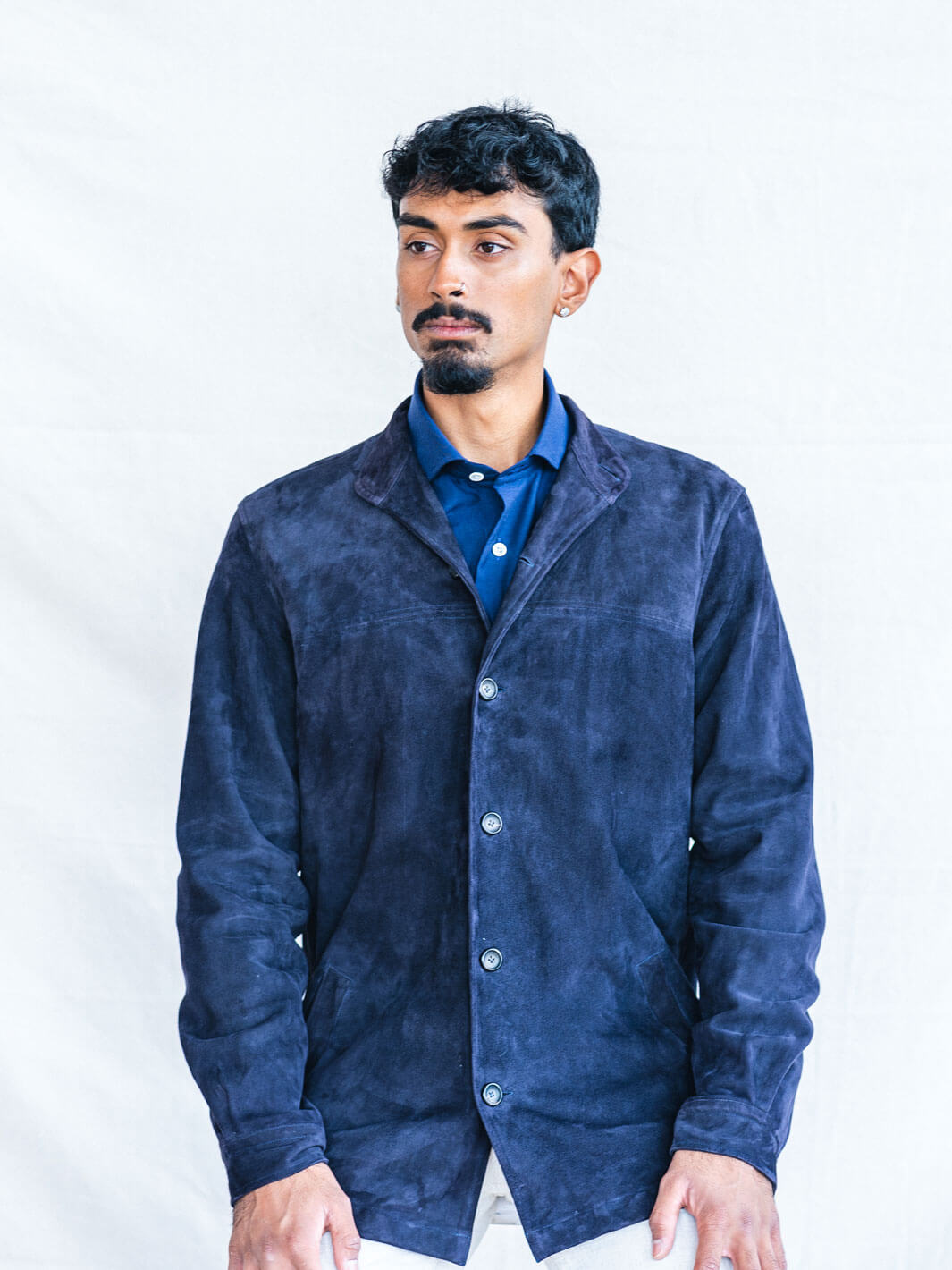

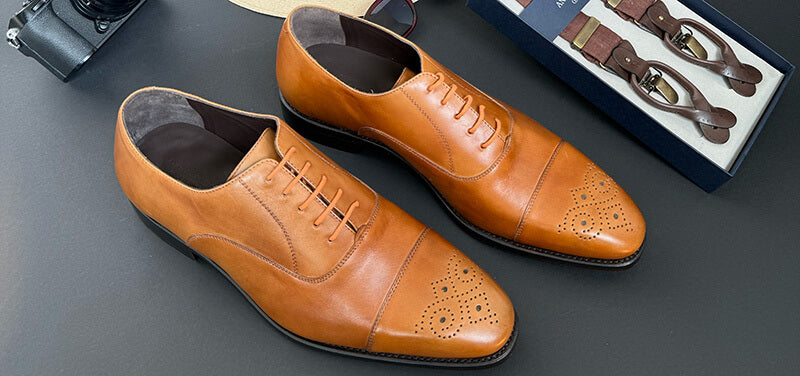



Collars versus rollnecks, Oxfords versus loafers, pleats or flat front, brown or black shoes… Thoughtful dressers spend their lives confronted with binary decisions. But the big, stark choice presiding them over them all is whether the suits, jackets and trousers with which we fill our wardrobes should be bespoke or off-the-rack.
In many ways, the two are worlds apart: the former privileges artisanal craftsmanship, patience, the perfect fit, sustainability and longevity; the latter privileges design, immediacy, convenience, affordability and variety.
Fit For a King: Why One Size Rarely Fits All
Walk into any tailoring workshop around the world – they’re often visible from the shop floor, if the establishment favors an “open kitchen” philosophy – and you’ll see, hanging from raised rails, rows of flat sheets of sturdy brown craft paper with outlines of jacket pieces (front, back, sleeves, collars and so on), often annotated with notches, grain lines, and darts.
These are cutter’s drafts, based on customers’ varying dimensions, postures and gaits, created using pen-to-paper measurements as well as the tailor’s intuition and visual assessment of a client. Subsequent fittings (three weeks apart, typically) see these paper patterns tweaked and refined, and the finished garment becomes a three-dimensional response to any given individual’s physiology.
Off-the-rack clothes have also been made based on patterns: but these are created using anthropometric data, scaled up and down for varying sizes, with demographics and regional preferences worked into the base stats.
Being an “average” individual doesn’t usually get a hot press: but it’s a god-send if you want clothes to fit well without paying for made-to-measure or bespoke.

Choice Cuts: The Role of Customer Autonomy
With off-the-rack purchasing, you’re still choosing many of the basics: tweed versus worsted cloth versus a gazillion other fabric options; single-breasted versus double breasted; lapel type; half or quarter lined; two, three or four buttons on the cuffs; flap pockets versus jetted versus “barchetta” (named after the boats found on the Bay of Naples).
Weigh up the considerable stylistic differences between this sport coat (bold aubergine checks, two-button single breasted closure, notch lapel, natural shoulders) and the jacket part of this suit (Super 100 wool, 6x2-button double-breasted, peak lapel, standard shoulders) and you’ll get the idea.
Furthermore, off-the-rack allows consumers to experiment with texture, color, and formality, and learn what does and does not work for them. Advances in pattern grading, fabric sourcing, and manufacturing mean that well-designed ready-to-wear garments can offer excellent fit and longevity, particularly when chosen.
With a bespoke service such as Anatoly & Sons’, though, you choose the specific combination of details – as well as crucial extra refinements such as shoulder expression, lapel width and roll, button stance and pocket placement. With trousers, meanwhile, options include rise, pleat style, general silhouette, break (how the hem meets the shoe) and whether side adjusters or brace buttons best suit your stylistic yen.
So abundant are the creative decisions one makes during their first visit to an atelier, some bespoke devotees, reacting to a complement on their ensemble, often – rather haughtily perhaps – say “I made this suit at Martin Greenfield”, rather than “I had this suit made at Martin Greenfield”.
It’s probably more accurate, though, to think of the bespoke customer as conductor of the orchestra rather than composer of the music.

Conclusion: The Merits of Mixing Bespoke & Off-The-Rack
Naturally, one’s finances are a major factor when choosing between bespoke and off-the-rack. We’re not all movie stars or captains of industry who can afford to nip to our favorite atelier or trunk show whenever our wardrobe needs a refresh.
But neither are we all trend-following student types and first-jobbers, living under our parents’ roof and spending what would be rent funds with our favorite retail outlets. In fact, the vast majority of men who care about clothes – and especially that demographic which values classic and timeless elegance over the whimsy of fashion – are in neither camp.
At least three Savile Row tailors have told this writer, over the years, that such men are best off mixing things up: having as many bespoke pieces made as they can afford, and blending them with well-chosen off-the-rack garments with any given ensemble.
As a personal observation, if you value aesthetics over comfort, spend more on bespoke jackets and sports coats; if comfort is your priority, spend it on trousers (“When they’re made exactly for you, and your dimensions, it changes your world – especially if you get in and out of cars a lot!” Huntsman managing director Taj Phull recently told me).
As to the question of whether bespoke is “better” than off-the-rack – it depends on what matters most to you in your personal wardrobe. Off-the-rack offers freedom – but within limits; bespoke reverses that relationship, allowing every decision to be micro-managed. The distinction is subtle but decisive: ready-to-wear asks you to choose well; bespoke asks you to choose deliberately.
For some, that will be a jacket whose lines define the silhouette; for others, a pair of trousers whose comfort quietly reshapes daily life. Thoughtful dressing is rarely about absolutes. It is about knowing where precision counts and investing accordingly.


